
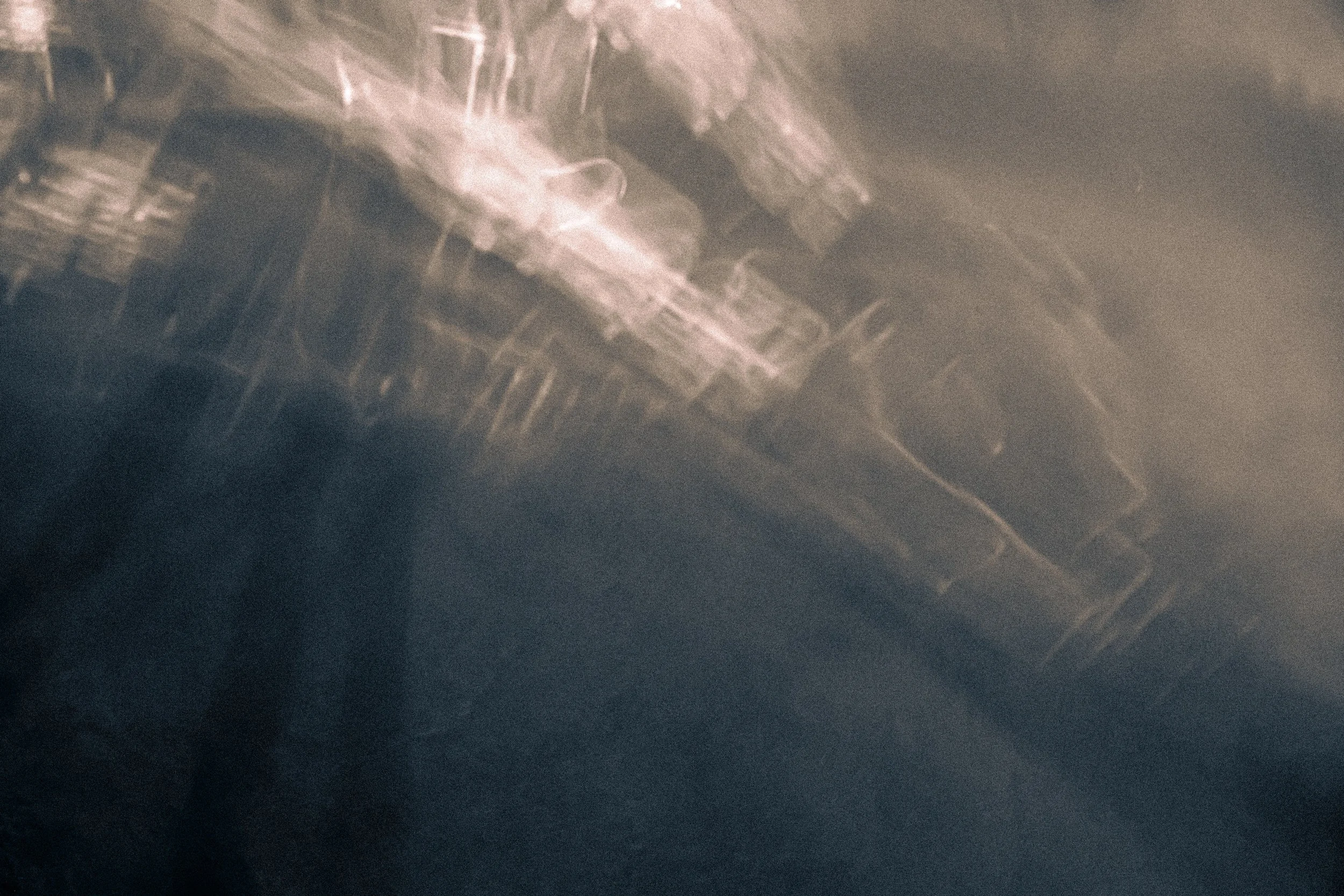
Reality is NOT as concrete as it seems…
Following the same principle as the famous Rorschach ink-blot tests, INPUTS creates an experience that allows participants to follow a story and make their own conclusions. Using a series of photographs, poems and a drawing that evolves as the user progresses through a series of sections, we can see how each person reacts to the same material.
An interpretive story where the interaction lies between the viewer and their subjective perceptions.
PSYCHOLOGY + DESIGN
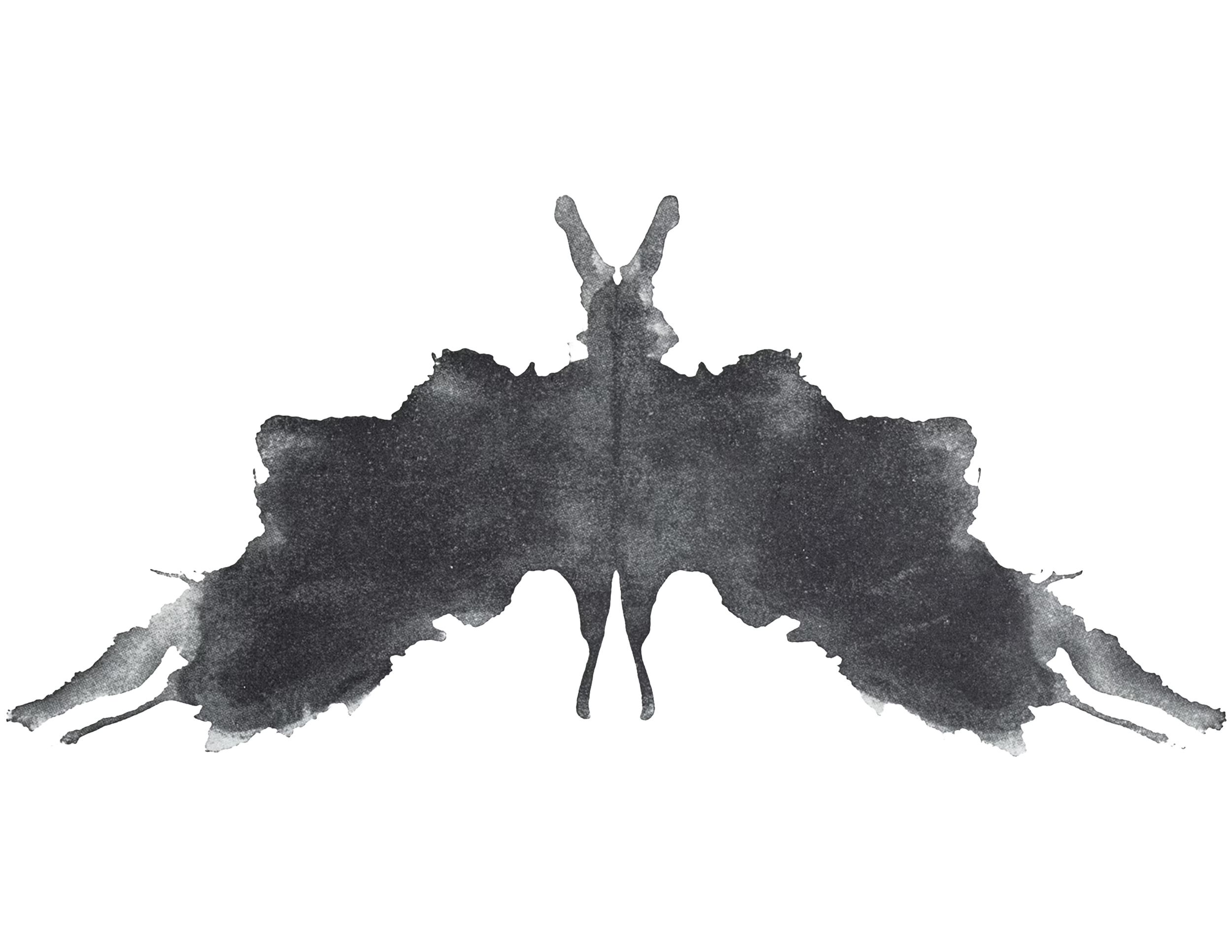
What do you see here?
Some might say a butterfly, others might recall to the time they had an MRI scan and see an uncanny resemblance to their scan photos.
The correct answer is neither. There is no right or wrong. This is the work of Swiss psychoanalyst and psychiatrist Hermann Rorschach. He used inkblots such as the one presented here to formulate diagnoses for patients. In 1921 he wrote his book titled “Psychodiagnostik” which detailed his practices and experimentation. After much trial and error, Rorschach designated ten inkblots as the standard
In current times, the Rorschach test is not used in medical practice. However its ability to visualize the truth of subjective reality persists. That is what we are doing here with INPUTS.
3 ACTS. 6 PHOTOS. 1 DRAWING.
The goal of this project is a two-part aim.
The first is to emulate Rorschach’s inkblot test through a visual storytelling manner, finding possible correlations between personality types and perception of life.
The second is to showcase the aspect of subjective reality and how the world we live in is just a series of sensory inputs put together by our own minds.
INSTRUCTIONS
Below we have 3 acts, 6 photos and 1 drawing.
Answer the Pre-Interaction Questionnaire portion of the form (Personality questions).
Go through each Act and study the writings, photos and the evolution of the drawing. Take note of how they make you feel and what they remind you of.
Go back to the form and answer the Post-Interaction Questionnaire portion of the form (Thoughts on the story).
REMEMBER there are no right or wrong answers. Whatever you see is law. THERE IS a story present, though it has been broken down to be as vague as possible while maintaining structure.