Demo Reel
Evan Bianco
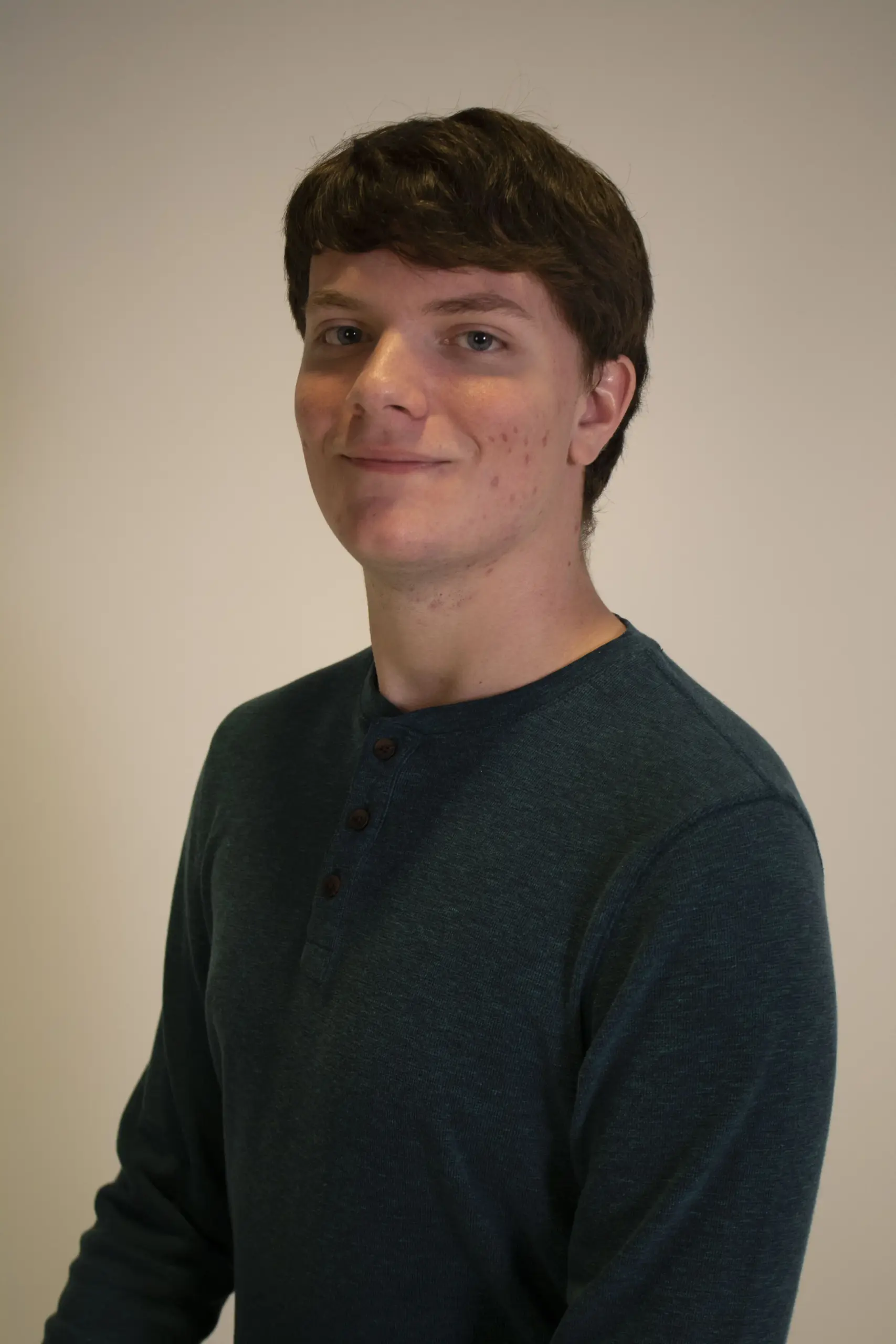
Evan Bianco is a 3D animator/artist and creative writer graduating from TCNJ. He interned with a team of artists working with Aquatic Group Graphics on the short film Inseparable. Starting this June, he will be attending the online school Animation Mentor, where he will be studying animation from industry professionals and veterans.
The Origin Story
To begin at the end, my thesis ended up being what is essentially an updated version of my demo reel. It includes some clips that I made over the course of thesis, as well as other clips that I’ve made in the past that I still feel fit within the reel. I’m treating this as I would a reel I’d make to show to a potential employer. For the clips I made during this semester, I tried to focus on things
Speaking of too much for me to handle, I guess I should mention what my original plan was, which was a fully fleshed out short film. I originally wanted to be a fight scene between two characters, but at the beginning of this semester I realized that the choreography alone would have taken me too long, before taking into account all of the modeling, rigging, texturing, and other things that I woul
The Highlights
I want to take the time to talk about two specific animations that I learned a surprising amount from despite how simple they may seem: the running dog and Zelda swinging a sword.
To begin, I’ll talk about the running dog. Now, I had done the walking dog cycle a decent amount of time before this, so I had a sense of how different things were going to be compared to a bipedal character. Obviously there’s more legs to deal with, but there were more subtle things to consider. How was the movement of the front legs offset from the back legs? Was the hip rotation any stronger th
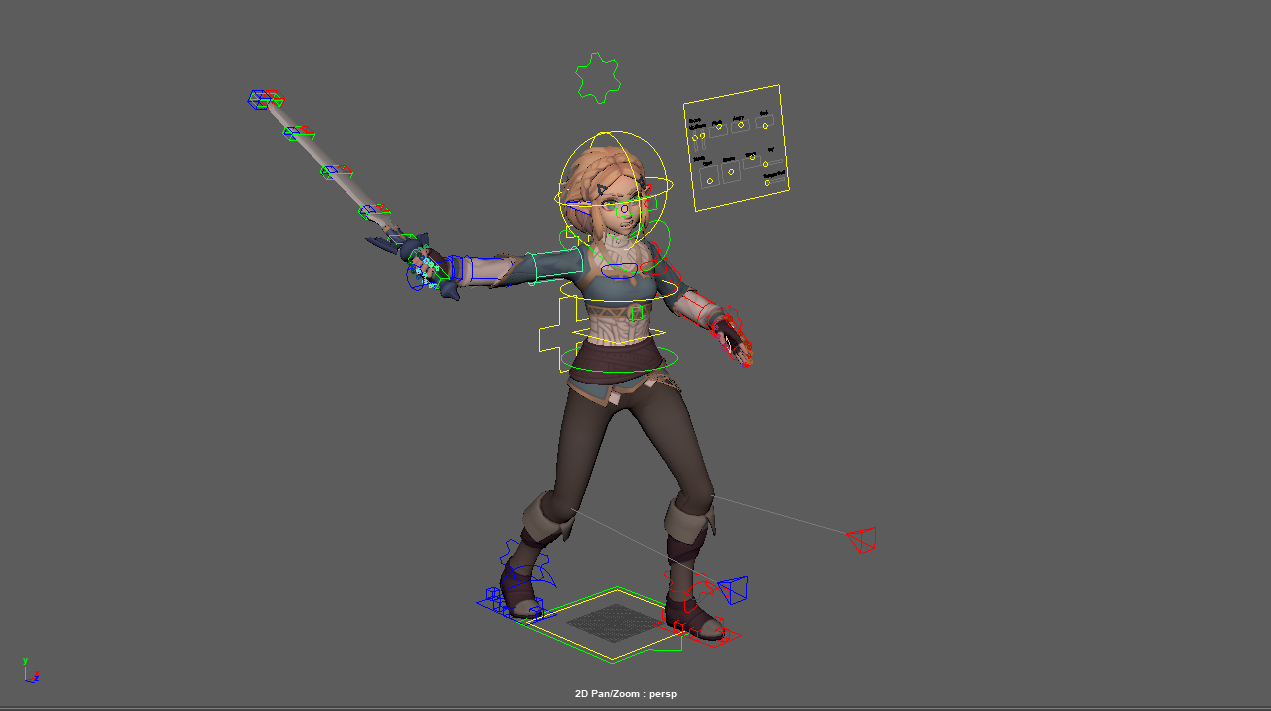
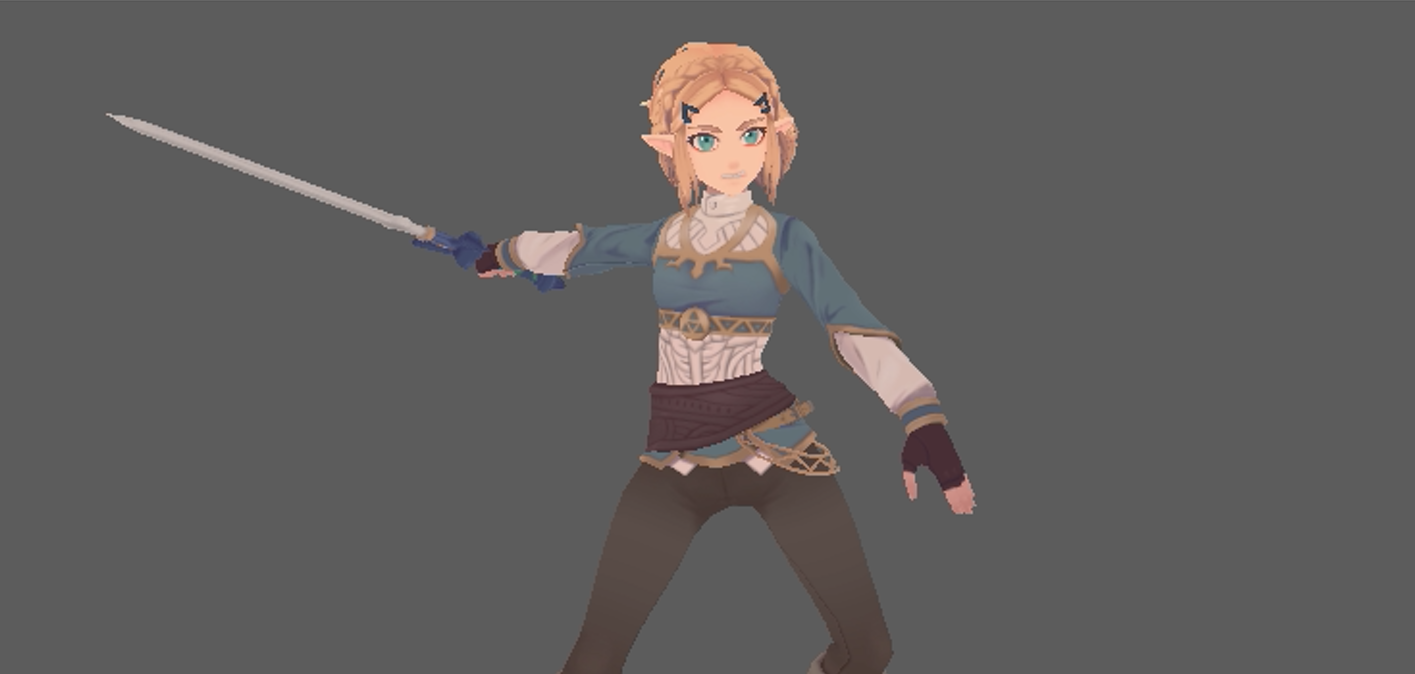
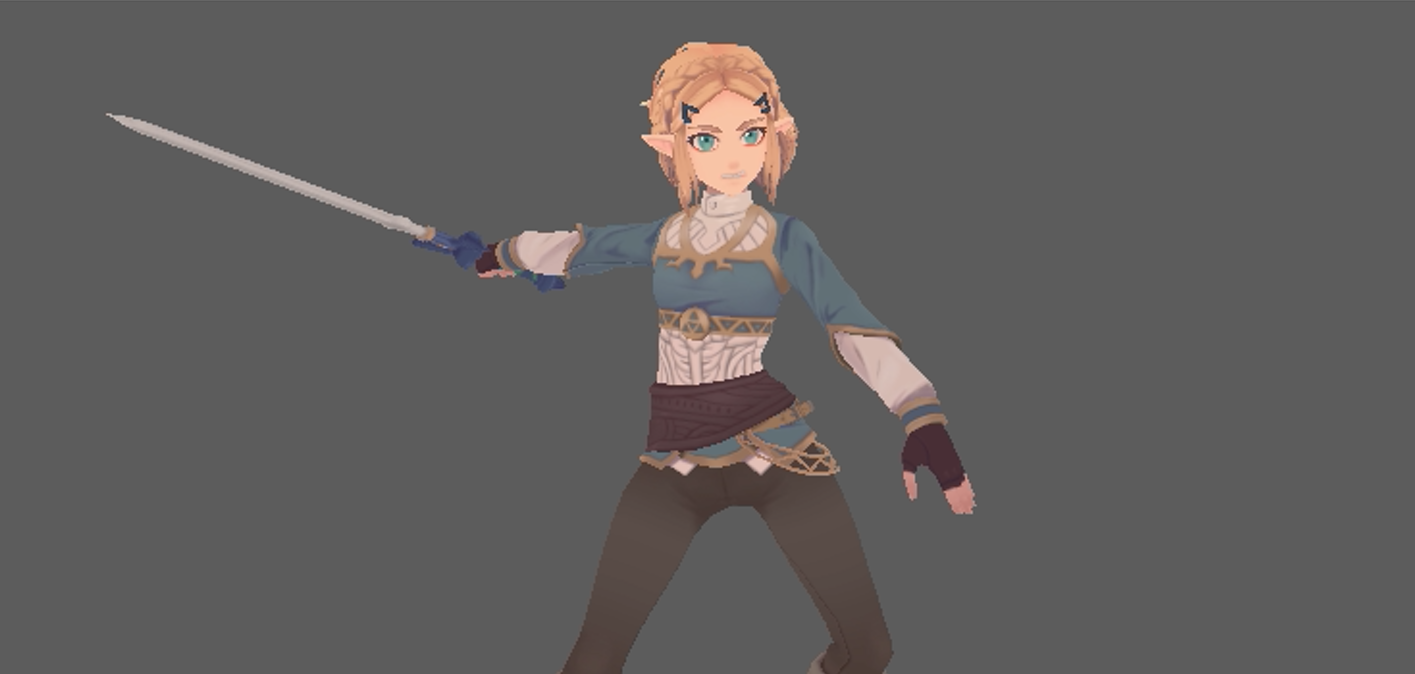
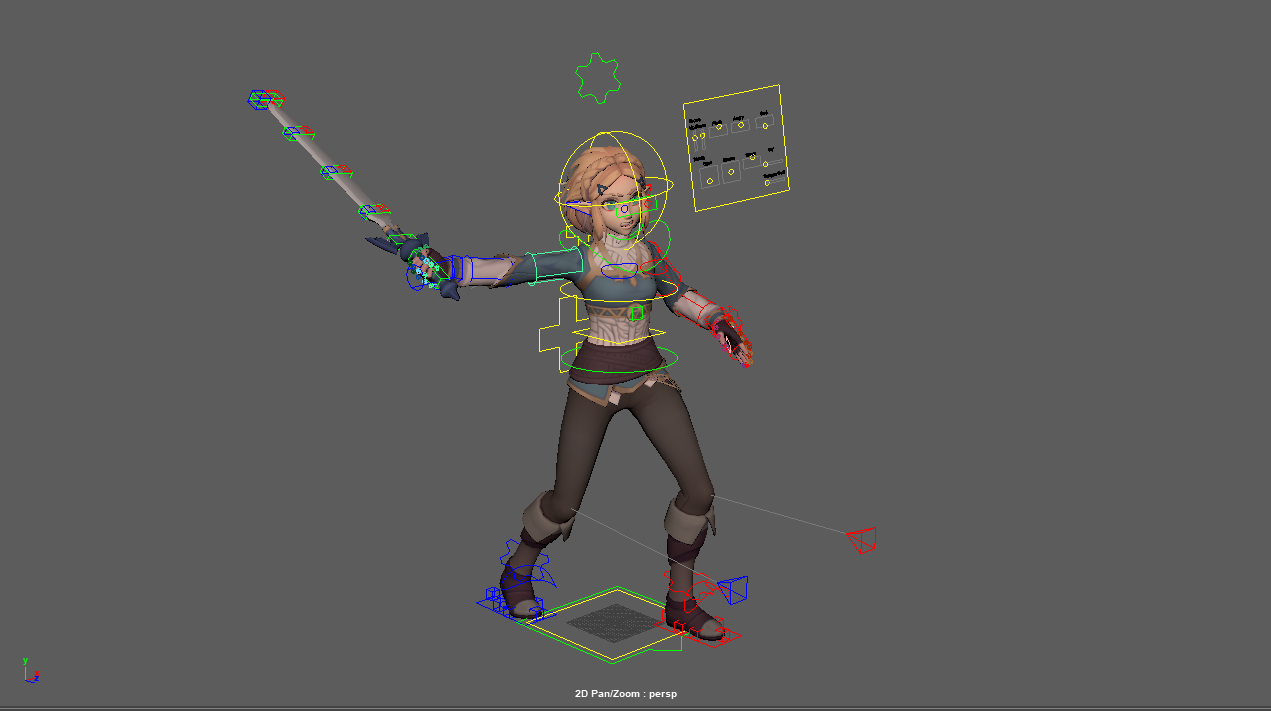
Next is Zelda swinging her sword before striking a pose. Fans of the Zelda series may recognize it as one of Link’s animations from some of the games in the series (at least from Twilight Princess onwards). My idea for the shot was to simply take that flourish and think about how it might be different if it were performed by Zelda. In the end, it mainly came down to the pose at the end. Link is a
The Method(s) Behind the Madness
Seeing as I am surrounded by a sea of fantastic 2D animation, I would also like to take this opportunity to talk a bit about how 3D animation works and a bit of what I learned about the process this semester.
I’d imagine 2D animation is a bit easier to grasp for most people, as it is essentially a series of drawn pictures which, when recorded and played back, forms a video. 3D animation follows many of the same principles and theories as 2D animation, but the way in which you go about it is different. As my mother put it after I tried describing the process to her, it’s kind of like controlling a puppe
Now, the process of creating a model, texturing it, and rigging it in order to prepare it for animation is a process in and of itself, with different people often handling a specific task. As the animator, I take the model and use it’s controls to move it around either by rotating the selected part or by translating it. After I do that though, I need some way to save the positional changes that I
This is the timeline of the Zelda animation. Each numbered space represents one frame, and each red line represents a keyframe. In the case of all of my animations in this demo reel (as well as basically all feature film and television animation), there are 24 frames in a single second of video. That might not sound like a lot, but as you can see, on almost every single frame I had to go in and ma
This is a graph which plots the positional data of a control over time. Each colored line represents the different axis the control is moving through (XYZ), and the orange markers are the keyframes. This window, called the “graph editor,” allows for the animator to have more precise control over the position and timing of a control, since you can grab one or more keyframes and move them around how
The last thing I want to talk about is the main thing I learned from this semester, that being the answer to the question “how do you go about doing this?” To be more specific, how do you go from having a completely neutral character to a finished animation? The real answer is that there’s a million different ways and it depends on the variety of factors, mainly personal preference, and what the s
For the dog, I started off by positioning the dog’s legs at the three different points: the beginning, the middle, and the end. Now, because this is a cycle, the beginning and the end are the exact same pose, which in this case is the position of the dog’s legs when its front paw first hits the ground. The middle pose is what the legs look like when its hind paw first hits the ground. Now, if you
The Zelda animation started off more or less the same, meaning I made the beginning, middle, and end poses first. “Middle” in this case refers to a few poses, those being where the two sword swings ended and when she holds the sword to her back before striking the final pose. As for the next steps, I ended up trying something fairly new to me, and not necessarily on purpose. While my first instinc
In summary, I feel I learned a lot from just these two short pieces of animation. From aspects of body mechanics to overall animation principals, I gained a good amount of information that I can apply to future works. The animations themselves may not be particularly complex or flashy, but at the end of the day, I’d say I’m a better animator than I was before I made them. That, along with the pros